 Visit Mexico City Guide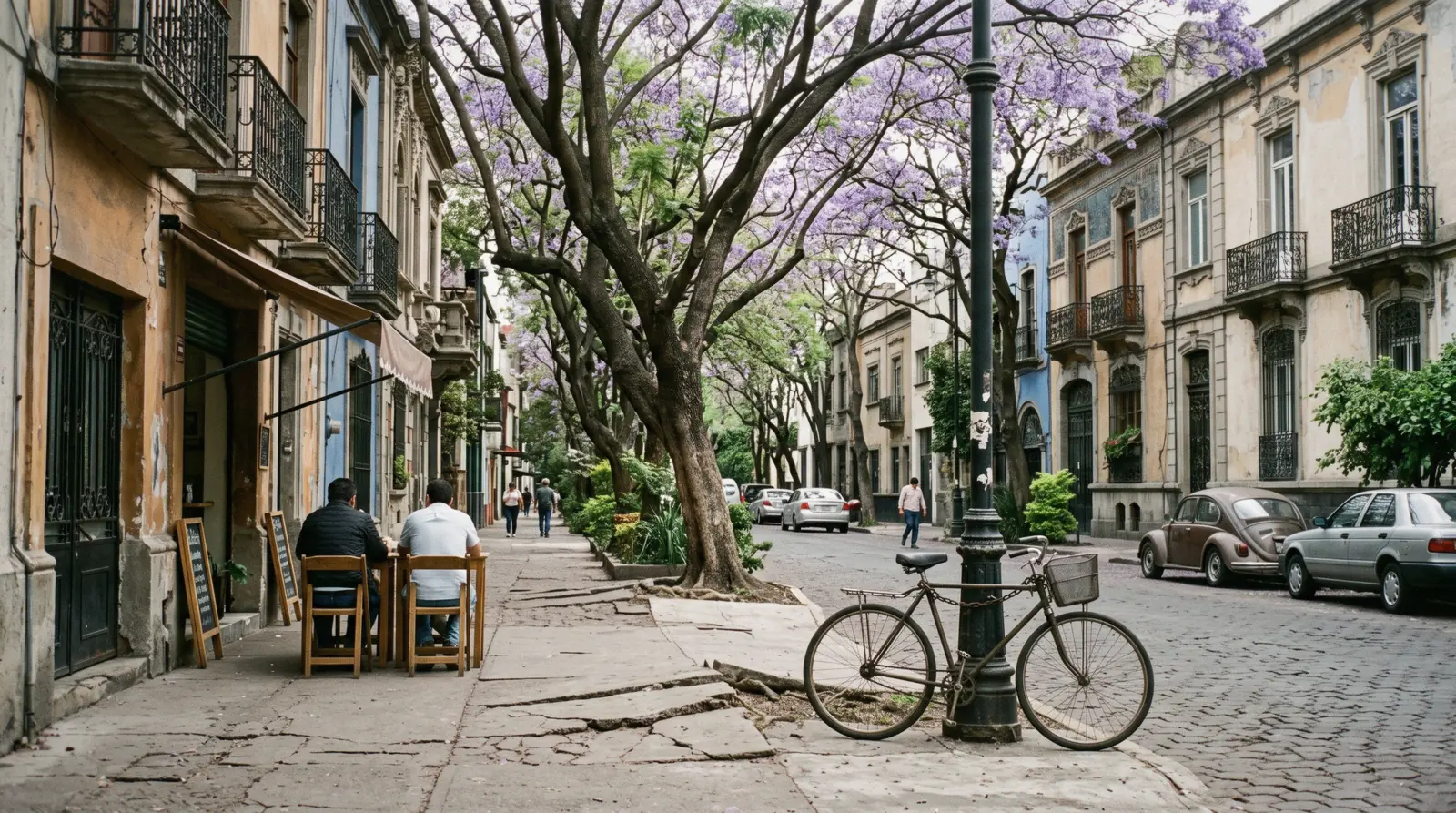
Roma Norte And Condesa
Roma Norte, Mexico City's most-recommended district, and Condesa beside it are the two most first visits end up preferring: laid out in the early twentieth century, planted with jacarandas and ficus, built in Art Nouveau and Art Deco, and holding the densest concentration of restaurants, cafés and bars a visitor will actually use. They sit side by side between the Centro Histórico and Chapultepec, twenty-five minutes from the Zócalo by Metrobús, and the practical question is not whether to spend time here but which of the two to sleep in.
Quick answer Which of the two, what it costs, and how it feels at night
Roma Norte and Condesa are neighbouring residential districts, both walkable, tree-lined and full of restaurants. Roma is denser, louder and more central; Condesa is greener and quieter, built around two parks. Midweek rooms ran $56–167 in Roma and $58–106 in Condesa in mid-October 2026.
Key takeaways
- Pick Roma for restaurants, galleries and a shorter hop to the Centro; pick Condesa for parks, quiet and slightly cheaper rooms — the comparison is below
- Neither has a headline sight, which is the point: this is where you sleep and eat between the days spent elsewhere
- Walk Amsterdam in Condesa — an oval avenue laid on the track of a 1900s racecourse, with a park in the middle
- The Metrobús on Insurgentes runs the length of both and reaches the Centro and Chapultepec in about 25 minutes
- Which district to base a first visit in is settled on the Mexico City city guide
Roma Norte Or Condesa
The question the search results ask most often about these two, answered on the four things that actually differ. Nightly bands are the middle half of the rates Google Hotels returned on 30 August 2026 for a midweek night, Wednesday 14 to Thursday 15 October, two adults.
| Roma Norte | Condesa | Which to pick | |
|---|---|---|---|
| Room band | $56–167 (median $115) | $58–106 (median $78) | Condesa is cheaper at the top end |
| Character | Denser, louder, galleries and design shops | Greener, residential, two parks | Roma to be out; Condesa to sleep |
| Eating | The heaviest concentration in the city | Excellent and calmer | Roma for choice, Condesa for a table |
| Getting about | Metrobús on Insurgentes; 25 min to the Zócalo | The same line, one stop further out | Roma is marginally more central |
| After dark | Busy until late on Álvaro Obregón | Quiet by midnight except around the parks | Depends whether you want to hear it |
Both are safer-feeling than the Centro at night and both are residential, so noise complaints run in the opposite direction — the neighbours mind you. Where to stay compares all five districts.
Guided Walks And Evenings
Food walks that use these streets, and the evenings that start here. Prices as listed on 30 August 2026.
 from $88.10
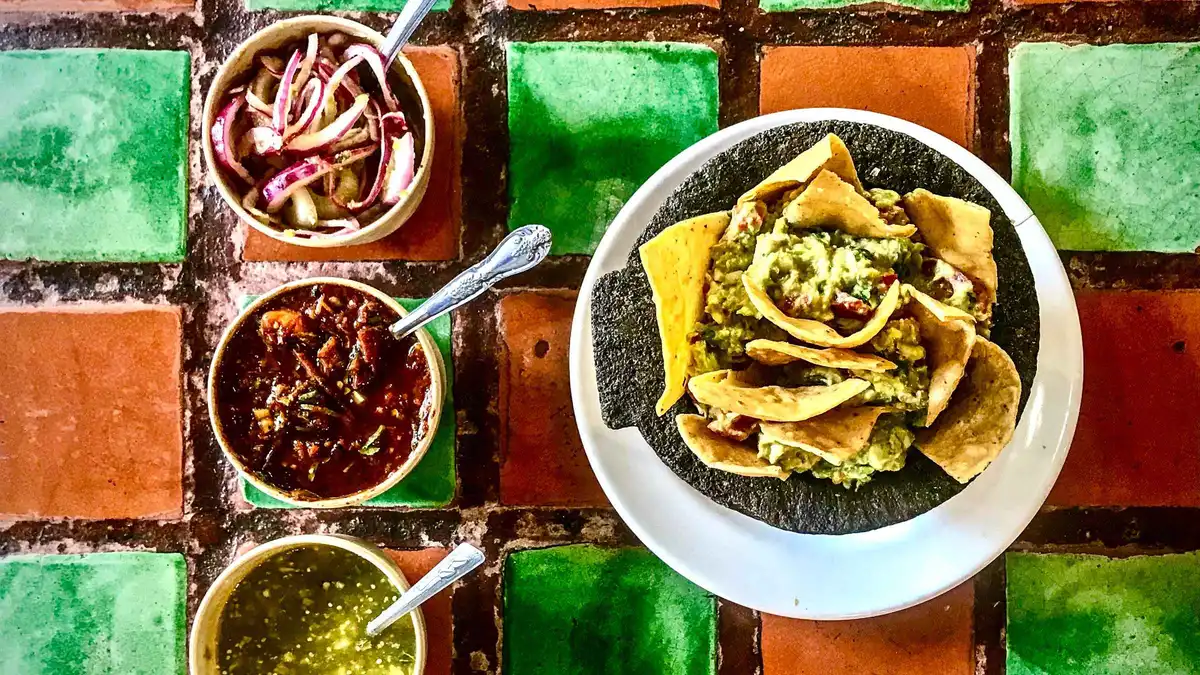
Mexico City: Old Town Food Tour of 7 Tastings & Secret Dish
Listing details checked 2026-08-30
Seven tastings through the Centro Histórico, ending with you able to order for yourself.
Check Availability from $65
Mexico City: Mexican Evening, Lucha Libre and Tequila
Listing details checked 2026-08-30
Ringside evening at the lucha libre with tequila and a guide who explains the rules and the theatre.
Check Availability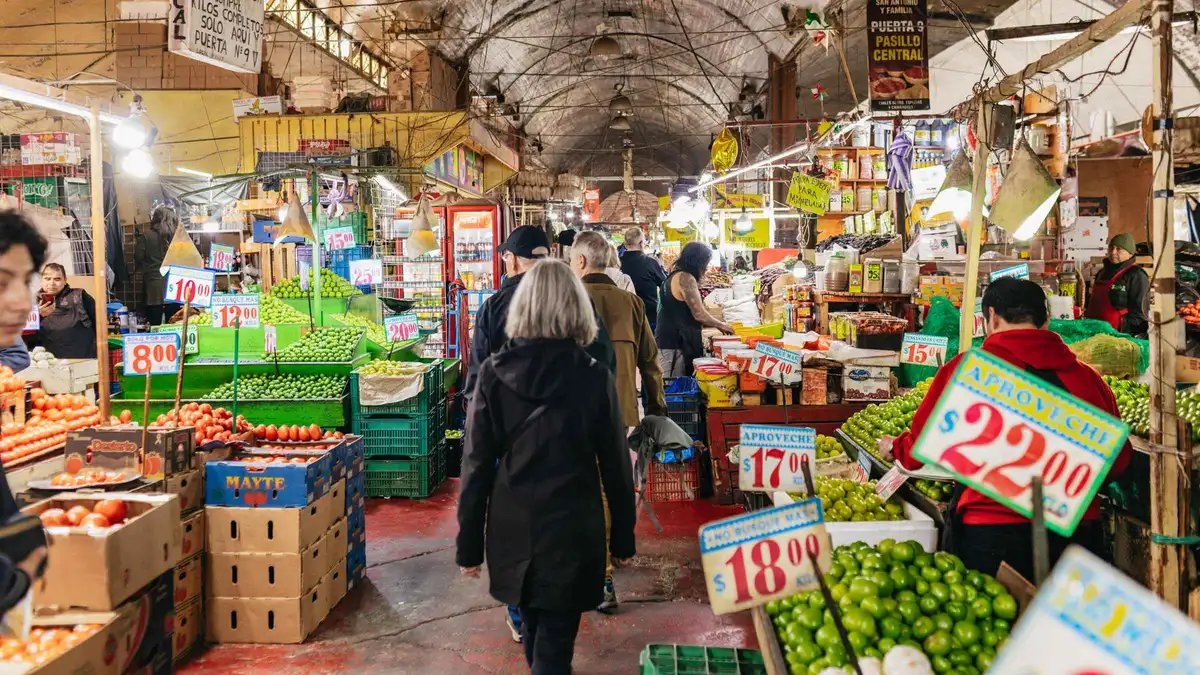 from $88.05
Mexico City: Local Food Tour at Mexico’s 2nd Largest Market
Listing details checked 2026-08-30
A market morning through La Merced and Sonora, the city's second-largest market complex.
Check AvailabilityWhat These Districts Are, And Why They Look Like That
Two planned suburbs of the Porfirian city, and one earthquake that changed both.
Roma was laid out from 1902 as a district for the wealthy of the Porfirio Díaz era: wide avenues, French and Art Nouveau mansions, small formal squares — Plaza Río de Janeiro with its copy of Michelangelo's David, Plaza Luis Cabrera with its fountain. Condesa followed in the 1920s and 1930s on the land of a hacienda and, literally, a racecourse: Avenida Amsterdam is an oval because it traces the track, with Parque México inside it, and the architecture is Art Deco rather than Belle Époque.
The 1985 earthquake hit both hard, and for a decade afterwards they were cheap, damaged and half-abandoned — which is exactly why artists, galleries and small restaurants moved in through the 1990s and 2000s. The result is the familiar pattern of a district that becomes fashionable because it was broken, and the current argument about rents and foreign remote workers is where that pattern has now arrived.
What To Actually Do Here
There is no ticketed sight in either district, and that is the appeal — but four things structure a walk.
Avenida Álvaro Obregón is Roma's spine: a wide, tree-lined boulevard of restaurants, bookshops and the occasional surviving mansion. Plaza Río de Janeiro and Plaza Luis Cabrera are the two squares worth sitting in. Parque México and Parque España are Condesa's centre, full of dogs, joggers and Art Deco apartment blocks with curved balconies. And Avenida Amsterdam, the racecourse oval, is the single best twenty-minute walk in the city that does not involve a monument.
Beyond that: the galleries and design shops of Colonia Roma, the Mercado Medellín for produce and Latin American groceries, and — if the weather turns — the cafés, which are numerous and good. The things to do page has what to do with the days; these districts are for the hours in between.
Eating And Drinking Here
The densest restaurant district in the city, and where this guide's named places are.
Two of the MICHELIN Guide's 2026 Bib Gourmand entries for Mexico City sit in these streets: Contramar in Roma Norte, the long-lunch fish room the city is known for, and Molino El Pujol in Condesa, a working nixtamal mill with a small kitchen attached. Both are named on the where to eat page with the list that names them and its year, which is how this site handles restaurants.
Beyond the cited names, the pattern to follow is the local one: a late comida at two, coffee in the afternoon, and something small and late. Weekend tables at the better-known kitchens go days ahead; midweek is usually fine. Street food here is thinner than in the Centro — for that, cross town or take a food walk.
How These Districts Feel, Day And Night
The question the search results ask about Roma is safety, and the answer is duller than the question.
Both are residential districts where people walk dogs at eleven at night, and both are among the calmer parts of the city after dark — which is why so many visitors stay in them. The realistic risks are the ordinary urban ones: phone snatching on a distracted walk, bag left on a café chair, and the usual advice about app cars rather than street taxis.
What genuinely catches people out is not crime. It is the pavements — uneven, cracked by tree roots and by the same subsidence that tilts the Centro — and the rain from June to September, which arrives after four and floods the low points of Condesa within minutes. Flat shoes and an afternoon plan indoors are the practical answers. What the advisories actually say is on its own page.
What A Room Costs In Roma And Condesa
The band is the middle half of the rates Google Hotels returned on 30 August 2026 for a midweek night, Wednesday 14 to Thursday 15 October, two adults, room only. Both districts are dominated by small hotels and apartments rather than chains.
Roma Norte
- Walking distance
- 25 minutes to the Zócalo by Metrobús
- Typical double
- $56–167 (median $115)
- Suits
- Restaurants, galleries, evenings where you sleep
The most expensive of the two at the top end, and the one with everything on the doorstep.
See stays in Roma NorteCondesa
- Walking distance
- 30 minutes to the Zócalo by Metrobús
- Typical double
- $58–106 (median $78)
- Suits
- Parks, quiet nights, longer stays
Greener and cheaper at the median; the low points flood in the rainy season.
See stays in CondesaCentro Histórico, for comparison
- Walking distance
- You would be in the sights
- Typical double
- $42–93 (median $68)
- Suits
- Sightseeing on a budget
Cheaper again, and the district you leave in the evening.
See stays in Centro Histórico, for comparisonRates read on 30 August 2026 from Google Hotels for the dates above. We may earn a commission if you book through these links, at no extra cost to you.
Roma And Condesa Map
The two districts, the parks and squares that anchor them, and the Metrobús line that connects them to everything else.
From Roma And Condesa
Times by Metrobús or car on a weekday.
Centro Histórico
The sightseeing day: the Zócalo, the Templo Mayor and Bellas Artes.
25 min by MetrobúsChapultepec Castle
The park, the castle and the Anthropology Museum — the other museum day, to the west.
15 min by carLucha libre at Arena México
The nearest evening that is not a restaurant — Tuesday, Friday and Sunday at Arena México.
10 min by carRoma Norte And Condesa Questions
Is Roma Norte a good area to stay in Mexico City?
Is it better to stay in Condesa or Roma Norte?
Roma if you want to be out — more restaurants, galleries and noise, slightly more central. Condesa if you want to sleep — parks, quieter streets and a lower median rate, $78 against $115 midweek. The table above sets out the five differences that actually matter; they are ten minutes' walk apart, so neither choice is a mistake.
Can you walk around Roma Norte at night?
Yes — it is one of the districts where people walk dogs late and the streets stay populated, and it feels calmer after dark than the Centro. Ordinary urban care applies: phones out of hands on quiet streets, bags not left on café chairs, app cars rather than street taxis. What the advisories say is on its own page.
What is there to do in Roma Norte and Condesa?
No ticketed sight, which is the appeal: Álvaro Obregón for restaurants and bookshops, Plaza Río de Janeiro and Plaza Luis Cabrera to sit in, Parque México and Parque España in Condesa, and Avenida Amsterdam — an oval avenue on the line of a 1900s racecourse. What to walk is above; the sights are all elsewhere.
Where should I eat in Roma Norte?
Two of the MICHELIN Guide's 2026 Bib Gourmand entries for Mexico City are in these streets — Contramar in Roma and Molino El Pujol in Condesa — and both are named with their source on the eating page. Beyond those, eat a late comida at two like everyone else and book weekend tables ahead.
How do I get from Roma Norte to the Centro?
The Metrobús on Insurgentes, about 25 minutes, at MX$6 a trip on the operator's published tariff; Metro Line 1 from Insurgentes or Cuauhtémoc is similar. An app car takes 15 to 30 minutes depending on the hour. Getting around has the whole network.
Where This Fits In A Trip
Not a day — the base for the other days.
Sleep here and spend the days elsewhere: the Centro on one, Chapultepec on another, Coyoacán and Xochimilco on a third, Teotihuacán on the Monday. The evenings then happen within walking distance of your room, which is the entire argument for these two districts.
If the budget is tight, do the same from the Centro and accept a taxi at night. The full ordering is on the independent Mexico City guide.
Walking Roma And Condesa
Three street-level walks through both districts.
Exploring Roma Norte and Condesa
Both districts in one walk, at pavement level.
Video: Tingo Tango WalksRoma Norte 4K walking tour
The squares, the avenues and the architecture.
Video: LOMAS POVWalking tour in Mexico City's most beautiful neighbourhood
Condesa's parks and Art Deco blocks.
Video: Take Time To TravelVideos load from YouTube only when you press play.
Page last reviewed 2026-08-30. Prices, hours and terms are set by the venue or operator and confirmed at checkout.
We may earn a commission if you book through one of our links, at no extra cost to you. Full affiliate disclosure