 Visit Mexico City Guide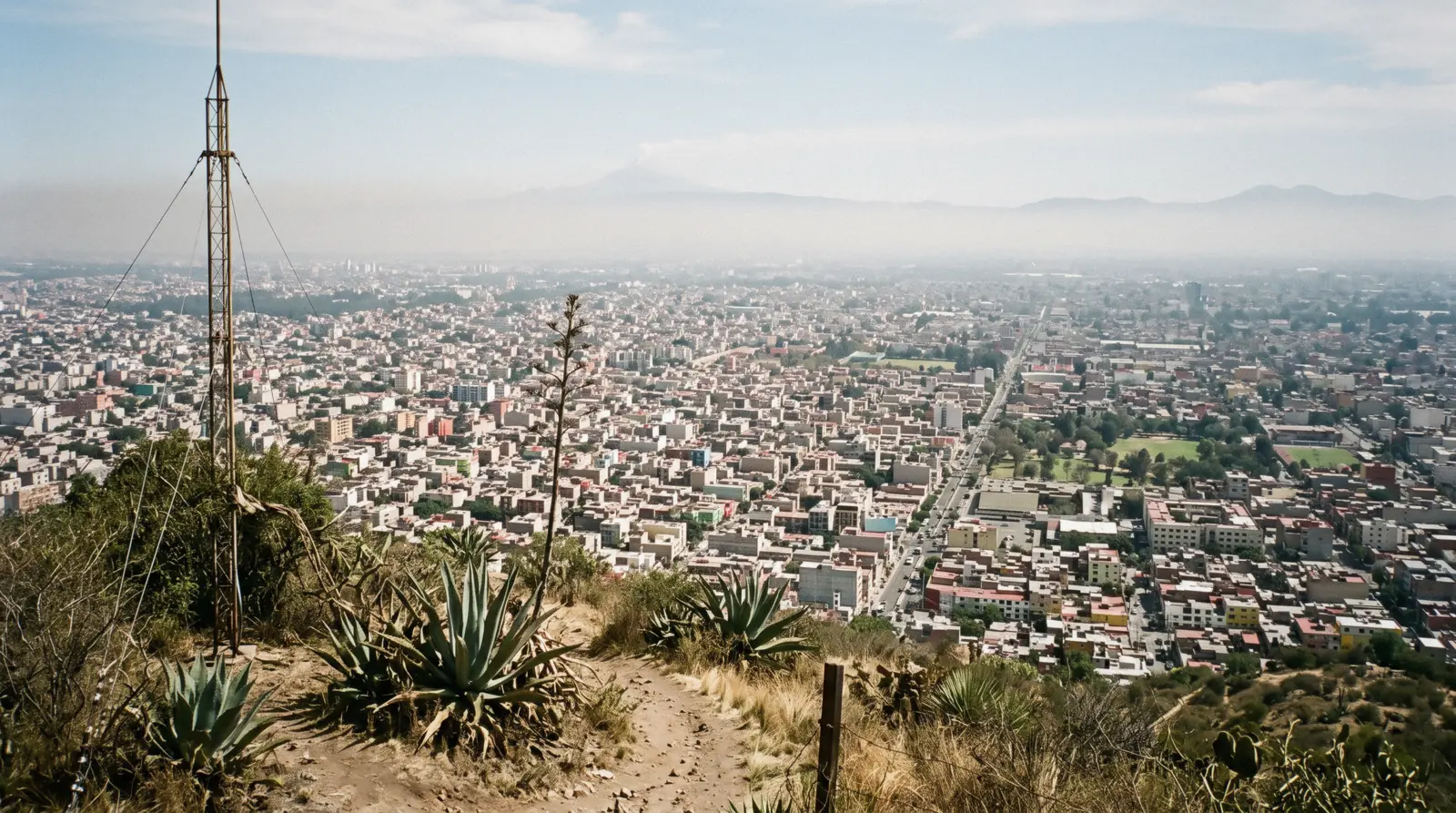
Mexico City Altitude, And What It Does To You
Mexico City altitude is the thing most first visits underestimate: the city sits at an average of 2,240 metres above sea level — INEGI's figure — in a closed volcanic basin, higher than Denver and far higher than any European capital. It does not cause the altitude sickness of the Andes, but it reliably shortens your breath on the castle hill, makes the first night's sleep odd, and makes two drinks feel like three. The same basin holds the city's air in place, which is the other half of this page.
Quick answer How high, how it feels, and what to do on day one
Mexico City sits at about 2,240 metres — roughly 7,350 feet — which is 600 metres higher than Denver and 1,200 metres lower than Cusco. Most visitors feel it as breathlessness on stairs, a mild headache on the first day, disturbed first-night sleep and alcohol hitting harder. Genuine altitude sickness is uncommon at this height but not unknown.
Key takeaways
- Plan a flat first day: the Centro Histórico is level, and the Chapultepec Castle ramp and Teotihuacán can wait
- Drink more water than feels necessary, eat lightly, and treat the first evening's drinks as though they were double — what actually helps
- Teotihuacán is higher again at about 2,300 m, with two kilometres of unshaded walking — do not make it day one
- The other half of the basin problem is air quality, which is worst between February and May
- How the first day fits the rest of a visit is on the Mexico City city guide
How High Is It, Really
Placed against cities people know, because 2,240 metres means little on its own.
| City | Altitude | How it compares |
|---|---|---|
| Mexico City | 2,240 m (7,350 ft) | The reference point on this page |
| Denver | 1,609 m (5,280 ft) | 600 m lower — the 'mile high' city is well below this one |
| Bogotá | 2,640 m | 400 m higher |
| Quito | 2,850 m | Noticeably higher |
| Cusco | 3,400 m | Where genuine altitude sickness is routine |
| Teotihuacán | About 2,300 m | Higher than the city, with no shade on the avenue |
Altitude figures are the commonly cited elevations for each city centre; Mexico City's 2,240 m is INEGI's average for the capital, which spreads across a basin floor that itself varies.
What The First Day Actually Feels Like
Five effects that turn up in nearly every visitor account, and one that does not.
Breathlessness on stairs. The most universal: a flight of steps, the Metro exit or the castle ramp leaves you puffing in a way that has nothing to do with fitness. It settles within a couple of days.
A dull headache, usually the first afternoon or on waking the first morning, from the lower oxygen partial pressure and from dehydration — the air here is dry as well as thin.
Broken first-night sleep, sometimes with the sensation of waking short of breath. Alcohol landing harder: two drinks at 2,240 m behave like three at sea level, and the hangover is worse because you are also dehydrated. Appetite going odd for a day, which is unfortunate in a city built around lunch.
What does not usually happen: the acute mountain sickness of the high Andes, with vomiting and severe headache. It is possible — people do occasionally get it here, especially arriving from sea level and going straight up a pyramid — but at this height it is the exception. If symptoms are severe, worsening, or include confusion or breathlessness at rest, that is a doctor's matter, not a travel-guide one.
What Actually Helps
Six things, in order of how much difference they make.
Slow the first day. This is the whole answer, and it costs nothing: arrive, walk the flat Centro or sit in Roma, and leave the castle, the tower stairs and Teotihuacán for day two or three. Every itinerary in this guide is built that way.
Drink more water than feels reasonable — the air is dry and the dehydration compounds the headache. Eat lightly on day one, and take the local pattern of a big lunch and a small late dinner rather than the reverse. Go easy on alcohol for the first 24 hours, which is the single most reported regret in visitor accounts.
Skip the gym. Hard exercise on arrival is the reliable way to feel awful. Coca tea and oxygen bars, sold in some tourist areas, are not necessary at this altitude and are not a substitute for the four points above. If you have a heart or lung condition, or you are pregnant, ask a doctor before you travel rather than reading a page like this one.
The Air, And When It Is Worst
The same basin that holds the city holds its air, and the pattern is seasonal.
Mexico City sits in a closed basin ringed by mountains, and in the cool, still, dry months the air above it warms faster than the air at ground level — a thermal inversion that puts a lid on the valley and traps ozone and particulates underneath it. That is why February to May is the worst stretch of the year for air quality, and why the clearest air comes in the rainy months of June to September, when the afternoon storms wash the valley out.
The city operates an air-quality index and, when levels are high, declares an environmental contingency that restricts driving and outdoor exercise. For a visitor the practical effect is limited: on a bad day the volcanoes vanish into haze, the light goes flat and anyone with asthma notices it. Museums are indoors, and the season page sets out when to expect it.
One consequence worth knowing: the famous view of Popocatépetl and Iztaccíhuatl from the Torre Latinoamericana or from a plane is far more likely in August, in the middle of the rainy season, than in the dry, bright weeks of March when the sky looks better and sees worse.
Building The Altitude Into The Plan
Three scheduling rules that follow from all of the above.
Day one is flat. The Zócalo, the Templo Mayor, the cathedral and Bellas Artes are all on level ground within a dozen blocks — that is the one-day plan and it is also the right first day of a longer trip.
The climbs come later. The castle ramp, the Teotihuacán avenue and any pyramid platform belong on day two or three, when you have adjusted.
Teotihuacán is its own case. At about 2,300 metres, with two kilometres of open avenue and no shade, it is the hardest physical day in this guide — which is why the three-day itinerary puts it on the fourth day or the Monday, and why the early departure matters as much for the temperature as for the crowds.
The Days Where Pacing Matters Most
Two of these involve real walking at altitude. Prices as listed on 30 August 2026.
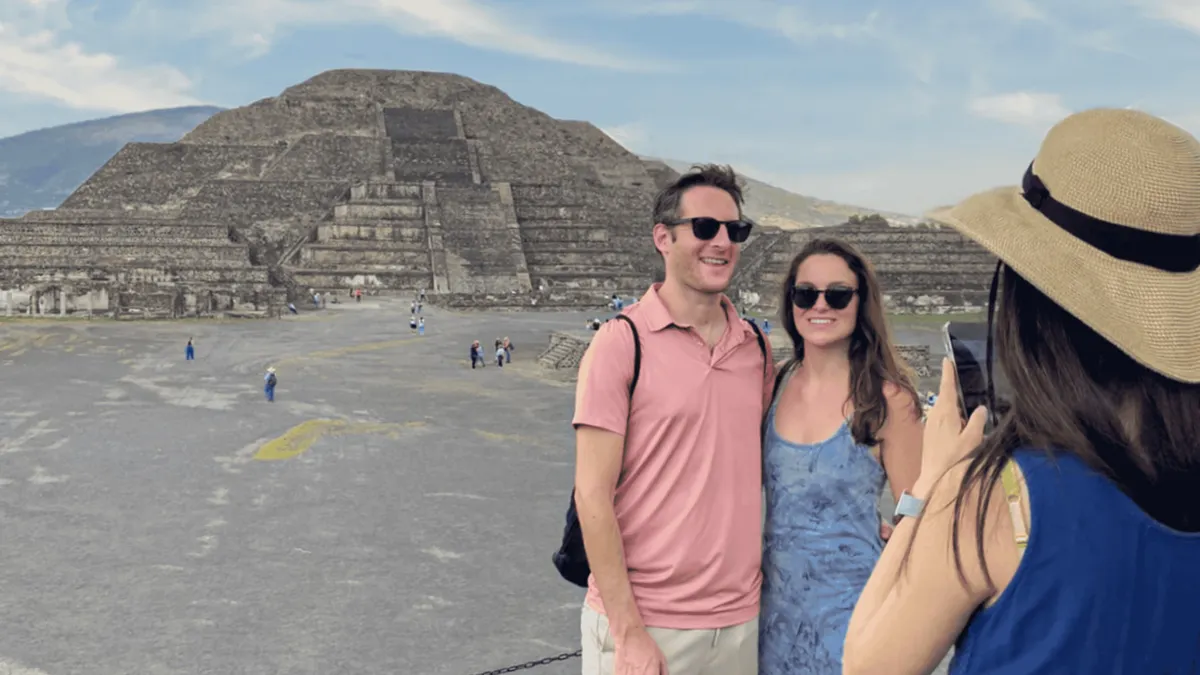 from $68
Mexico City: Teotihuacan Early Access Tour & Optional Lunch
Listing details checked 2026-08-30
Early access at the gate before the coaches arrive, with transport from the centre and a licensed guide.
Check Availability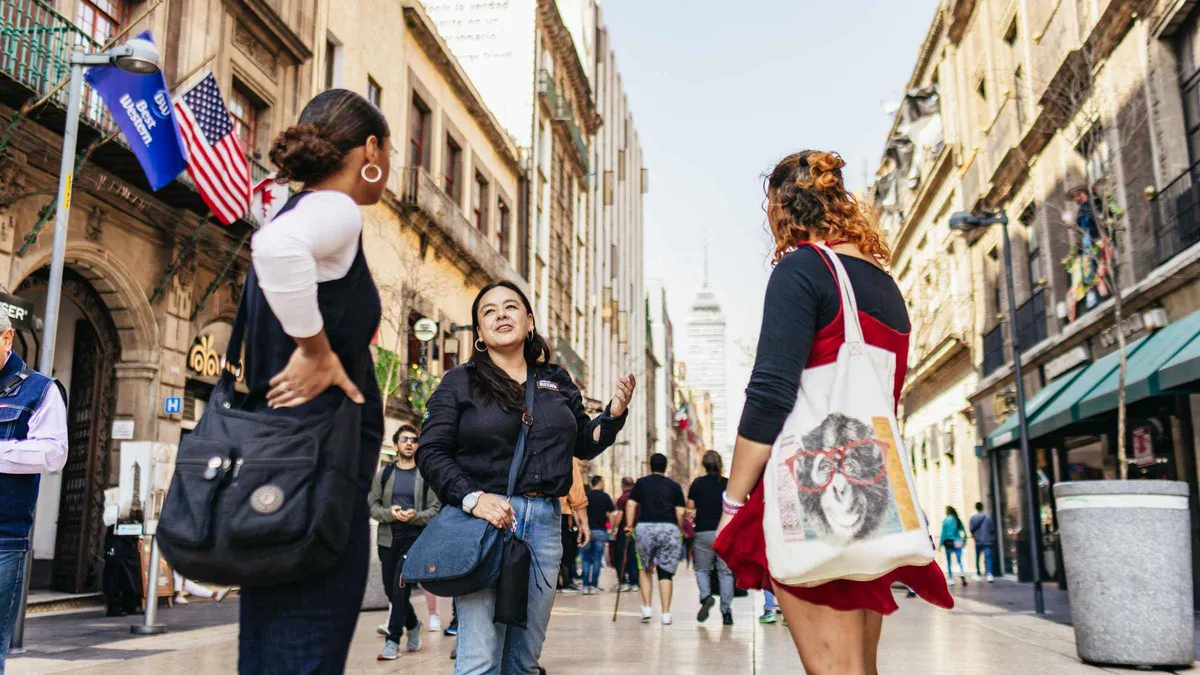 from $27.01
Mexico City: Historic Downtown Walking Tour
Listing details checked 2026-08-30
Three hours on foot through the Zócalo, Bellas Artes and the streets between them, with the history attached.
Check Availability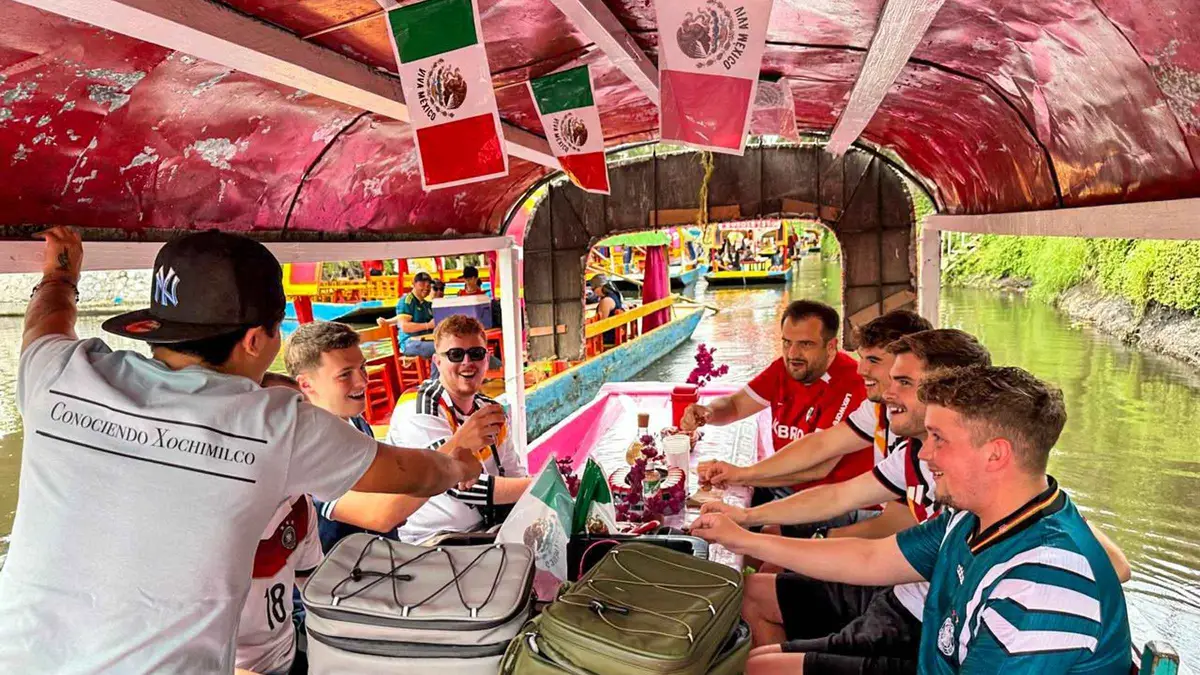 from $41.51
Xochimilco: Traditional Boat Sightseeing Tour, Culture and Fun.
Listing details checked 2026-08-30
A place on a shared trajinera with a guide, instead of negotiating a MX$750 boat at the embarcadero.
Check AvailabilityPages This One Affects
Altitude shapes the first day and the season you pick.
Mexico City Altitude Questions
How high is Mexico City?
About 2,240 metres — roughly 7,350 feet — on INEGI's figure for the capital, in a closed volcanic basin. The city spreads across a basin floor that varies, and the surrounding rim rises well above it; Teotihuacán, an hour north, is higher again at about 2,300 m.
Is there altitude sickness in Mexico City?
Genuine acute mountain sickness is uncommon at 2,240 m but not unknown, particularly for people arriving from sea level and walking uphill on day one. What almost everyone gets instead is a milder set of effects: breathlessness on stairs, a first-day headache, broken first-night sleep and alcohol hitting harder. What it feels like and what helps are above.
How high is Mexico City compared with Denver?
Mexico City is about 600 metres higher: 2,240 m against Denver's 1,609 m. It is lower than Bogotá (2,640 m) and Quito (2,850 m), and well below Cusco (3,400 m), where altitude sickness is routine. The comparison table puts them side by side.
What should I do on my first day in Mexico City?
Keep it flat and slow: the Centro Histórico is level ground and its main sights sit within a dozen blocks. Drink more water than feels necessary, eat lightly, go easy on alcohol, and save the castle ramp and Teotihuacán for later in the trip.
Is the air quality in Mexico City bad?
It is at its worst in the dry, still months from February to May, when thermal inversions trap ozone and particulates in the basin, and at its best in the rainy season from June to September, when afternoon storms wash the valley. Most visitors notice it as haze rather than as a health problem; people with asthma should plan around it. The seasonal detail is above.
Do I need coca tea or oxygen for Mexico City?
No. At 2,240 m the useful measures are a slow first day, water, light food and less alcohol. Coca tea and oxygen bars are sold in tourist areas and are not necessary at this height. Anyone with a heart or lung condition, or who is pregnant, should take medical advice rather than a travel guide's.
The Short Version
Two sentences, if you read nothing else.
Mexico City is high enough to shorten your breath and not high enough to be dangerous for most people: take the first day flat and slow, drink more water than you want to, and leave the climbs for day two.
The plan that does this for you is the one-day itinerary as an arrival day, with Teotihuacán later in the week — and the whole trip is on the Mexico City city guide.
Altitude, Explained By People Who Live With It
Three practical videos, one of them from a mountain-medicine clinic rather than a travel channel.
Avoiding altitude sickness in Mexico City
A visitor's practical routine for the first days.
Video: Roshida DoweHigh altitude tips with Dr. Pete Clark
Clinical basics on how altitude affects the body.
Video: Mammoth HospitalHow should I deal with altitude sickness in Mexico?
Short, practical answers for travellers.
Video: Pocket Friendly AdventuresVideos load from YouTube only when you press play.
Page last reviewed 2026-08-30. Prices, hours and terms are set by the venue or operator and confirmed at checkout.
We may earn a commission if you book through one of our links, at no extra cost to you. Full affiliate disclosure