 Visit Mexico City Guide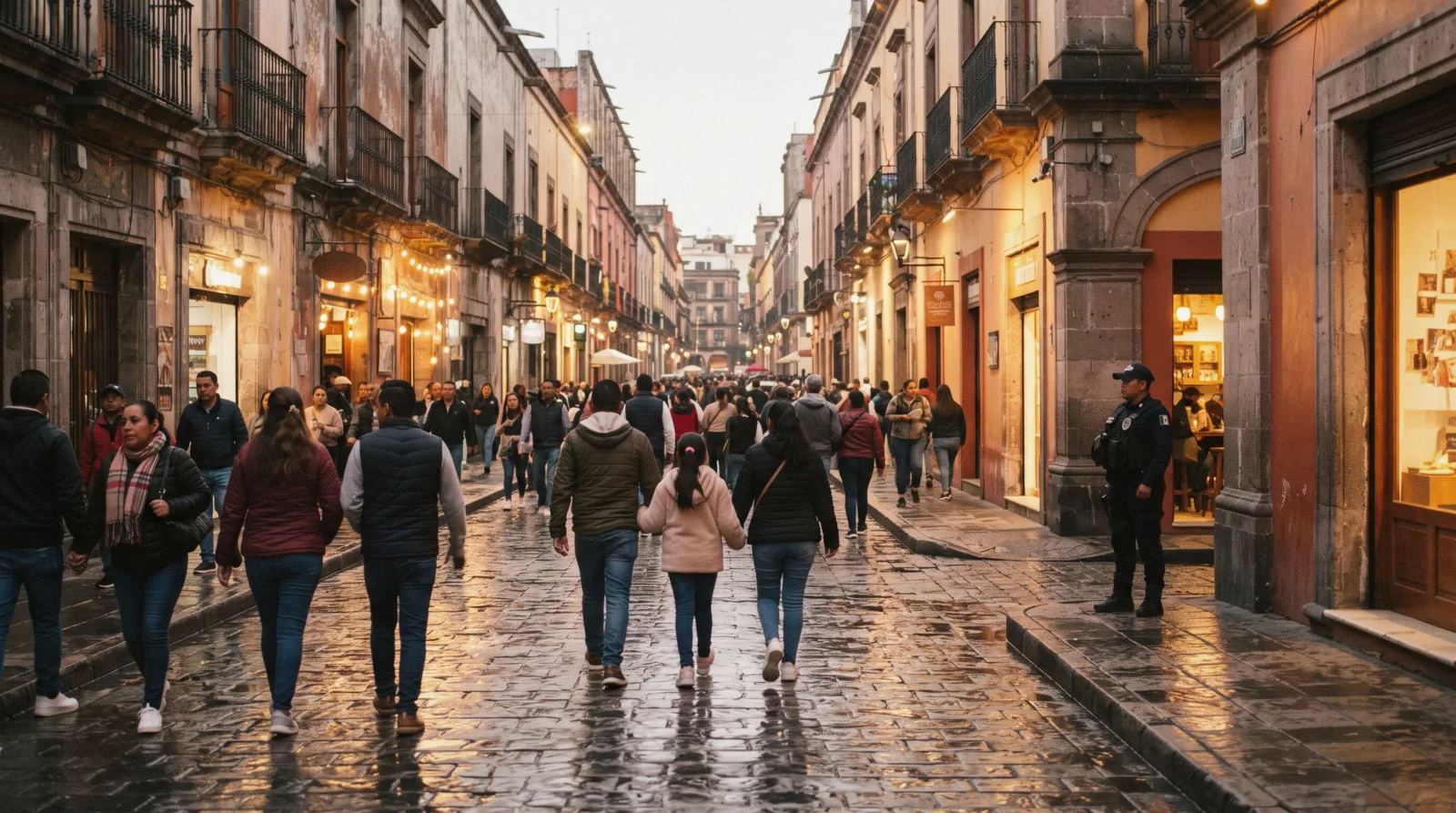
Is Mexico City Safe?
Is Mexico City safe is the most-asked question about this city, and the honest answer is duller than either the internet's panic or its dismissal. The US State Department places Mexico City at Level 2, exercise increased caution — the same level it gives France, the United Kingdom and Italy, and two levels below the six Mexican states it tells Americans not to enter at all. The realistic risks for a visitor are pickpocketing, street taxis and being somewhere unnecessary after dark. This page sets out what the advisory says, what the scams actually are, and which districts to skip.
Quick answer What the advisory says, and the four rules that follow
Mexico City is rated Level 2, exercise increased caution, by the US State Department — the same level as Paris, London and Rome, and far below the Level 4 states elsewhere in Mexico. Millions of visitors have ordinary trips here every year. The risks that actually materialise are petty theft, unlicensed taxis and wandering into districts with no reason to be in them.
Key takeaways
- Use apps, not street taxis — the single most repeated piece of advice from consulates and residents alike, and the reason is specific
- Keep bags in front of you on the Metro, especially in the rush-hour crush; that is where the city's most reported petty crime happens
- Stay in the districts this guide uses — Centro, Roma and Condesa, Polanco, Coyoacán — and the areas to skip are named below
- The advisory's own wording is worth reading rather than paraphrasing: it is about crime and kidnapping risk nationally, and it treats this city as ordinary-urban
- Where a first visit actually spends its days is on the Mexico City city guide
What The Advisories Actually Say
Two governments, one date each, and no adjectives of ours.
The US State Department keeps Mexico at Level 2 — Exercise Increased Caution nationally, updated on 29 May 2026, citing crime and kidnapping. Its state-by-state breakdown places Mexico City (CDMX) at Level 2, the same band as most of Western Europe, while six states — the ones that dominate the news — sit at Level 4, do not travel. The distinction matters: an advisory about Mexico is not an advisory about Mexico City.
What Level 2 means in the department's own framing is that there are identifiable risks that warrant more awareness than usual, not that travel is discouraged. For this city those risks are concentrated in petty crime and in taxi-related incidents, and both have well-known mitigations. The advisory is at travel.state.gov, and it is worth reading the actual page rather than a summary — including ours.
The Risks That Actually Materialise
Ordered by how often visitors report them, with the mitigation that works. This is our reading of consular guidance and resident advice, not a statistical ranking — no official breakdown by visitor incident is published.
| Risk | Where it happens | What works |
|---|---|---|
| Pickpocketing | Metro crush, crowded markets, the Zócalo at events | Bag in front, phone in a pocket you close, avoid 07:00–09:00 and 18:00–20:00 |
| Street-taxi incidents | Taxis hailed on the street, especially at night | Use Uber or Didi, or a sitio rank; confirm the plate |
| Phone snatching | Walking distracted on a quiet street, café tables | Phone away between uses; do not leave it on the table |
| ATM card skimming | Street-facing machines | Use machines inside bank branches or malls; decline the machine's own conversion |
| Overcharging | Xochimilco piers, tourist-area taxis, 'guides' outside museums | Know the fixed price: MX$750 an hour per boat; museums sell their own tickets |
| Drink spiking | Bars in nightlife districts | The same care as any city; do not leave drinks unattended |
What is not on this list: the cartel violence that dominates coverage of Mexico. It is real in specific states and it is not a feature of visitor life in this city — the advisory makes that distinction explicitly.
The Taxi Rule, And Why It Is So Insistent
Every consular source and every resident says the same thing, and it is worth understanding rather than just obeying.
Do not hail taxis in the street. Use Uber or Didi, both of which show the driver, the car and the plate before you get in and keep a record of the trip; or use a sitio, a licensed rank with a phone number, which hotels and restaurants will call for you. Confirm the plate against the app before opening the door.
The reason is the historic pattern of secuestro exprés — express kidnapping — in which a passenger in an unlicensed cab is driven between ATMs. It is much rarer than it was and it is the specific scenario the advisories have in mind when they name taxis. Apps removed the anonymity that made it work, which is why the advice has hardened into 'use an app' rather than 'be careful'.
At the airport the equivalent rule is: buy a taxi at an official counter inside the terminal, or take the app from the signposted pick-up point, or the Metrobús Line 4 at MX$30. Ignore anyone offering a ride in the arrivals hall.
Where To Stay And Where Not To Go
Named, because vagueness here helps nobody.
Comfortable for visitors, day and night: Roma Norte and Condesa, Polanco, Coyoacán, San Ángel, Del Valle, Nápoles, and the pedestrian streets of the Centro Histórico.
Fine by day, thin after dark: the Centro away from Madero, Regina and 5 de Mayo — the office and wholesale streets empty at six. Colonia Doctores, where Arena México is, is normal on a fight night and not somewhere to walk afterwards. The area around the Basílica is the same: busy pilgrimage traffic by day, ordinary working district by night.
Skip: Tepito, a few blocks north-east of the Zócalo, which every resident names and which has nothing a visitor needs; and the outer boroughs at night, which no itinerary in this guide goes near. Iztapalapa, Ecatepec and the eastern edge of the metropolitan area appear in crime statistics and in nobody's holiday.
The practical version: the districts in where to stay are where visitors sleep for a reason, and the way to get between them after dark is an app car rather than a long walk or a late Metro ride.
The Scams You Will Actually Meet
Four of them, none dramatic, all avoidable by knowing the real price.
Xochimilco per-person quoting. The borough's rate is MX$750 an hour for the whole boat, up to eighteen people, at every authorised pier. Anyone quoting per person, or intercepting you on the approach road, is adding a margin. The rate is published by the alcaldía.
Ticket touts outside museums. The Casa Azul sells online only and nowhere else; INAH sells at its booths and at ventadeboletosenlinea.inah.gob.mx. Nobody standing outside with a laminated sign is selling you a museum's ticket.
The 'closed today' redirection. A helpful stranger explains that the museum is shut and offers an alternative — a shop, a bar, a tour. Check the closure yourself: the Monday page has the real calendar, and the museum's own door has the real sign.
ATM conversion. The machine offers to charge you in your own currency at its own rate; decline and let your bank convert. This is not specific to Mexico, and it is the most reliable way to lose a few percent on every withdrawal.
The Risks Nobody Ranks As Safety, And Should
Two things are much more likely to disrupt a trip here than crime.
Altitude. At about 2,240 metres, the first day brings shortness of breath on stairs, headaches and alcohol landing harder. It ruins more first days than anything on the list above — the altitude page has what to do about it.
Earthquakes. The city sits on a drained lake bed and shakes; the 1985 and 2017 earthquakes are living memory and the city runs a seismic alert that sounds through loudspeakers before shaking arrives. If it sounds, follow the people around you: they will move to a safe zone or the street, and buildings display green safety-zone markings. It is worth knowing this exists rather than being startled by it.
Air quality in the dry months, and traffic as a pedestrian — crossings are advisory in places. Neither is a reason not to come; both are more likely to affect a day than anything criminal.
Practical Notes For Different Travellers
Three groups, and what changes for each.
Solo women. The city has women-only carriages at the front of Metro trains at busy times and pink women-only buses on some routes, both enforced — use them if you want to. Catcalling exists; the districts in this guide are comfortable to walk in by day and in the evening, and an app car is the standard way home late.
Families. Nothing here is unusually hostile to children; the practical constraints are altitude on day one, pavements for pushchairs, and the length of the days. Mexico City with kids covers the rest.
LGBT travellers. Mexico City is among the most openly liberal capitals in Latin America — same-sex marriage has been legal here since 2010 — with Zona Rosa as the visible nightlife district and Roma and Condesa comfortable generally. As anywhere, this is a city and not a monolith.
When A Guide Removes The Problem
Two situations where a guided version genuinely reduces risk rather than just cost. Prices as listed on 30 August 2026.
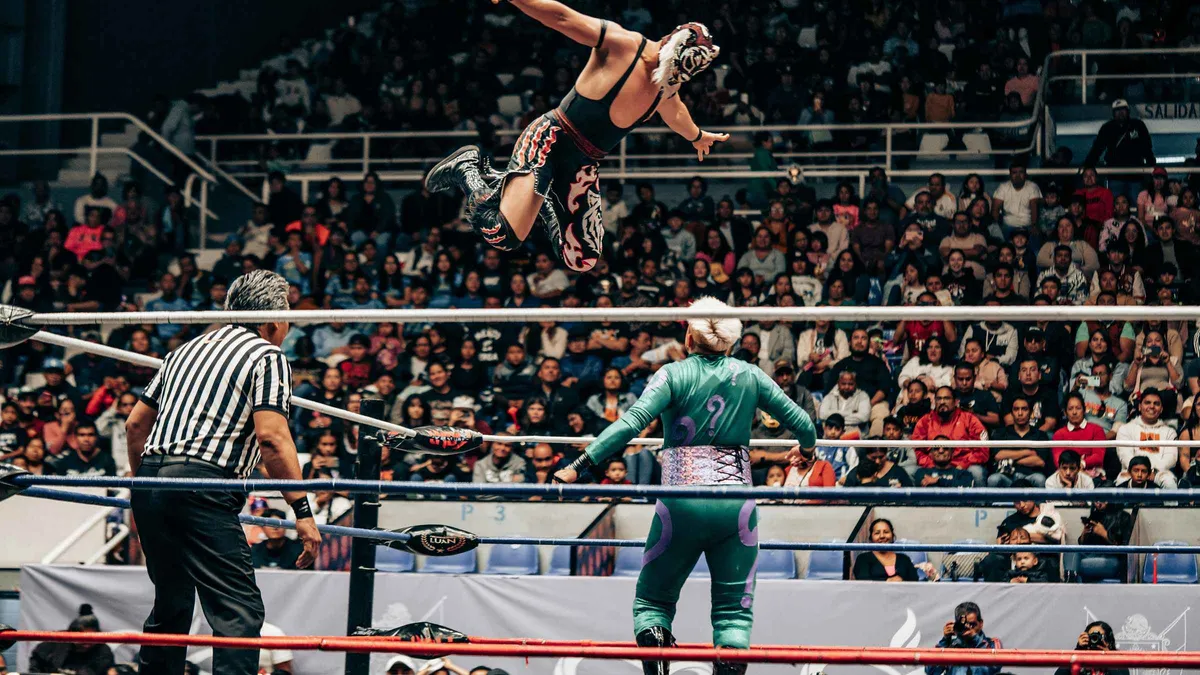 from $65
Mexico City: Mexican Evening, Lucha Libre and Tequila
Listing details checked 2026-08-30
Ringside evening at the lucha libre with tequila and a guide who explains the rules and the theatre.
Check Availability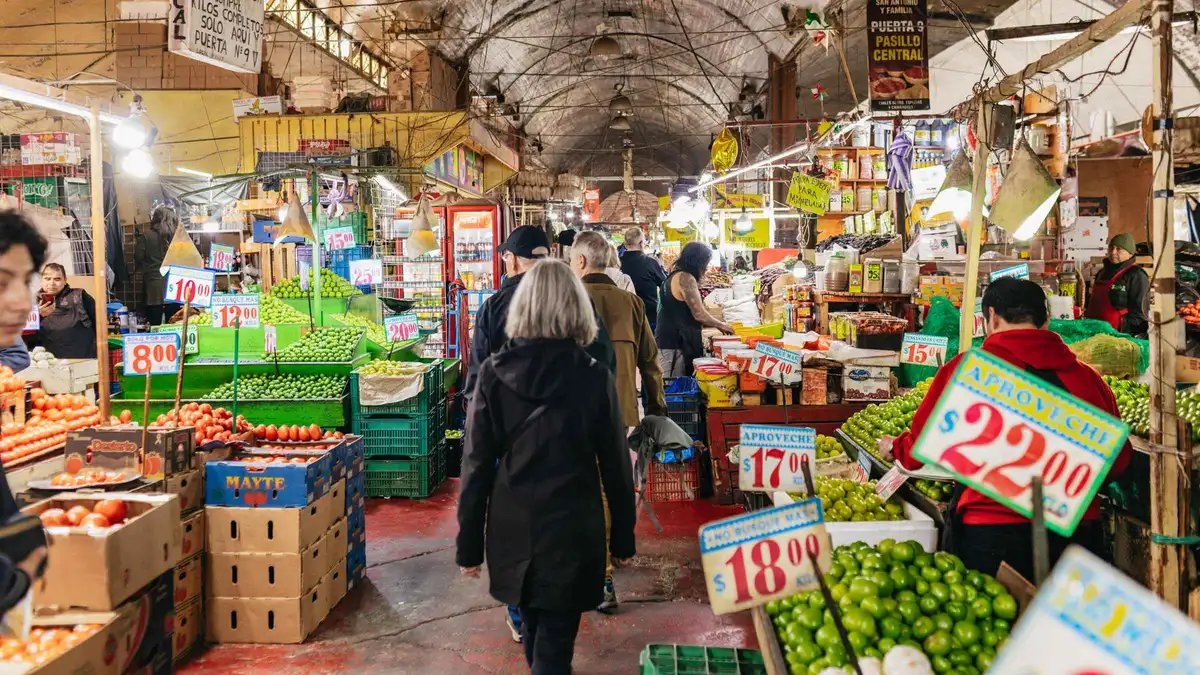 from $88.05
Mexico City: Local Food Tour at Mexico’s 2nd Largest Market
Listing details checked 2026-08-30
A market morning through La Merced and Sonora, the city's second-largest market complex.
Check Availability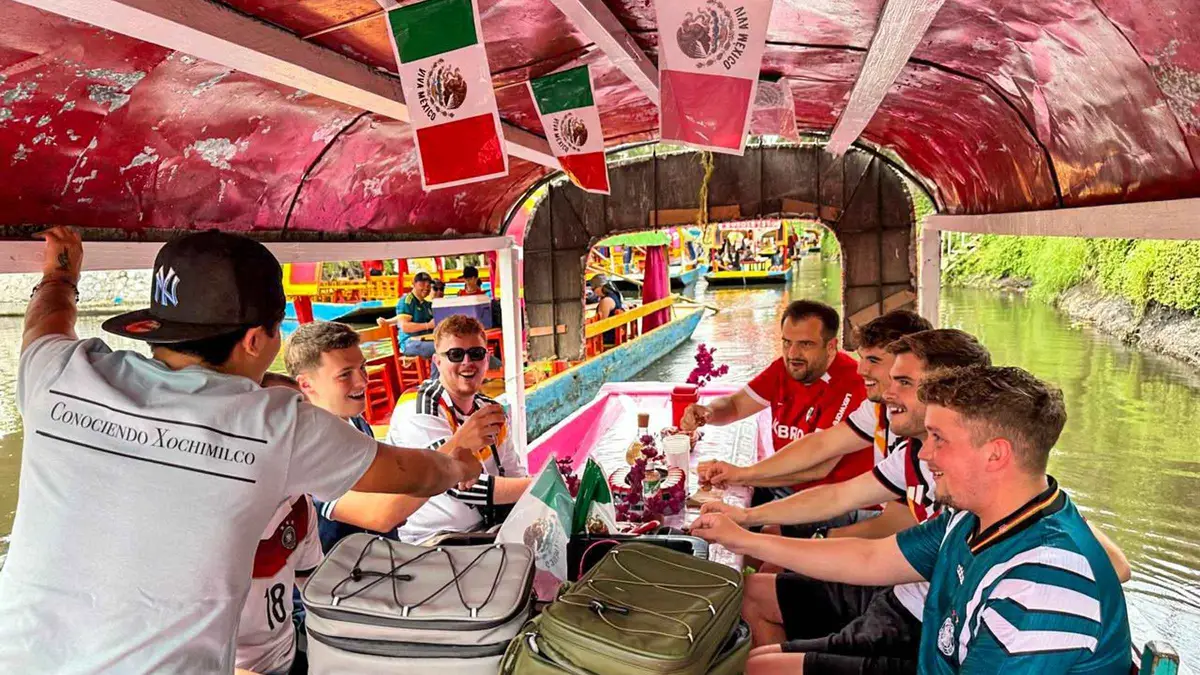 from $41.51
Xochimilco: Traditional Boat Sightseeing Tour, Culture and Fun.
Listing details checked 2026-08-30
A place on a shared trajinera with a guide, instead of negotiating a MX$750 boat at the embarcadero.
Check AvailabilityThe Pages That Follow From This One
Safety decisions mostly turn into transport and district decisions.
Mexico City Safety Questions
Is Mexico City safe for American tourists now?
The US State Department rates Mexico City at Level 2, exercise increased caution — the same level as France, the UK and Italy, and two bands below the six Mexican states rated Level 4, do not travel. The realistic risks are pickpocketing, street taxis and being somewhere unnecessary after dark, all with well-known mitigations. What the advisory says is above.
Is Mexico City or New York safer?
They are not measured the same way, and this guide will not pretend otherwise: homicide statistics, reporting rates and definitions differ between countries, so a direct comparison is unsound. What is comparable is the travel-advisory framing — Mexico City sits at the same level as most of Western Europe — and the practical advice, which in both cities is about crowds, taxis and where you walk at night.
What areas should I avoid in Mexico City?
Tepito, a few blocks north-east of the Zócalo, is the one residents name first, and no itinerary needs it. The outer eastern boroughs are not places a visit goes. Colonia Doctores and the Centro away from its pedestrian streets are fine by day and thin after dark. The full breakdown is above.
Is the Metro safe for tourists?
It is used by millions daily and it is the fastest way across the centre. Pickpocketing in the door crush is the most reported petty crime in the city: keep bags in front of you, avoid 07:00–09:00 and 18:00–20:00, and use the women-and-children carriages at the front if they suit you.
Should I use Uber in Mexico City?
Yes — Uber and Didi are the standard answer, and the advice not to hail street taxis is the most insistent in every consular source. Apps show the driver and plate before you get in and keep a record; a sitio rank with a phone number is the alternative. Why the rule is so firm is above.
What are the common scams in Mexico City?
Per-person quoting for a Xochimilco boat that costs MX$750 an hour whole; touts selling museum tickets that only the museum sells; the helpful stranger who says a museum is closed and steers you elsewhere; and ATMs offering their own exchange rate. Each one, and the real price, is above.
What This Means For A Trip
Four habits, and then stop thinking about it.
Apps instead of street taxis, bags in front on the Metro, phone away while walking, and sleep in one of the districts in where to stay. That is the whole of it, and it is not more than you would do in any large city.
The thing genuinely worth preparing for is not crime but the first day at 2,240 metres — altitude — and the shape of the trip that follows is on the Mexico City city guide.
Safety, From People Who Live There
Three videos with practical advice rather than atmosphere.
How to stay safe in Mexico City
Practical rules from a long-term visitor.
Video: For The Road20 tips to stay safe travelling in Mexico City
A longer list, mostly about transport and districts.
Video: Chris And Emilie46 tips I wish I knew before visiting Mexico City
General first-visit advice including safety and altitude.
Video: Camden DavidVideos load from YouTube only when you press play.
Page last reviewed 2026-08-30. Prices, hours and terms are set by the venue or operator and confirmed at checkout.
We may earn a commission if you book through one of our links, at no extra cost to you. Full affiliate disclosure