 Visit Mexico City Guide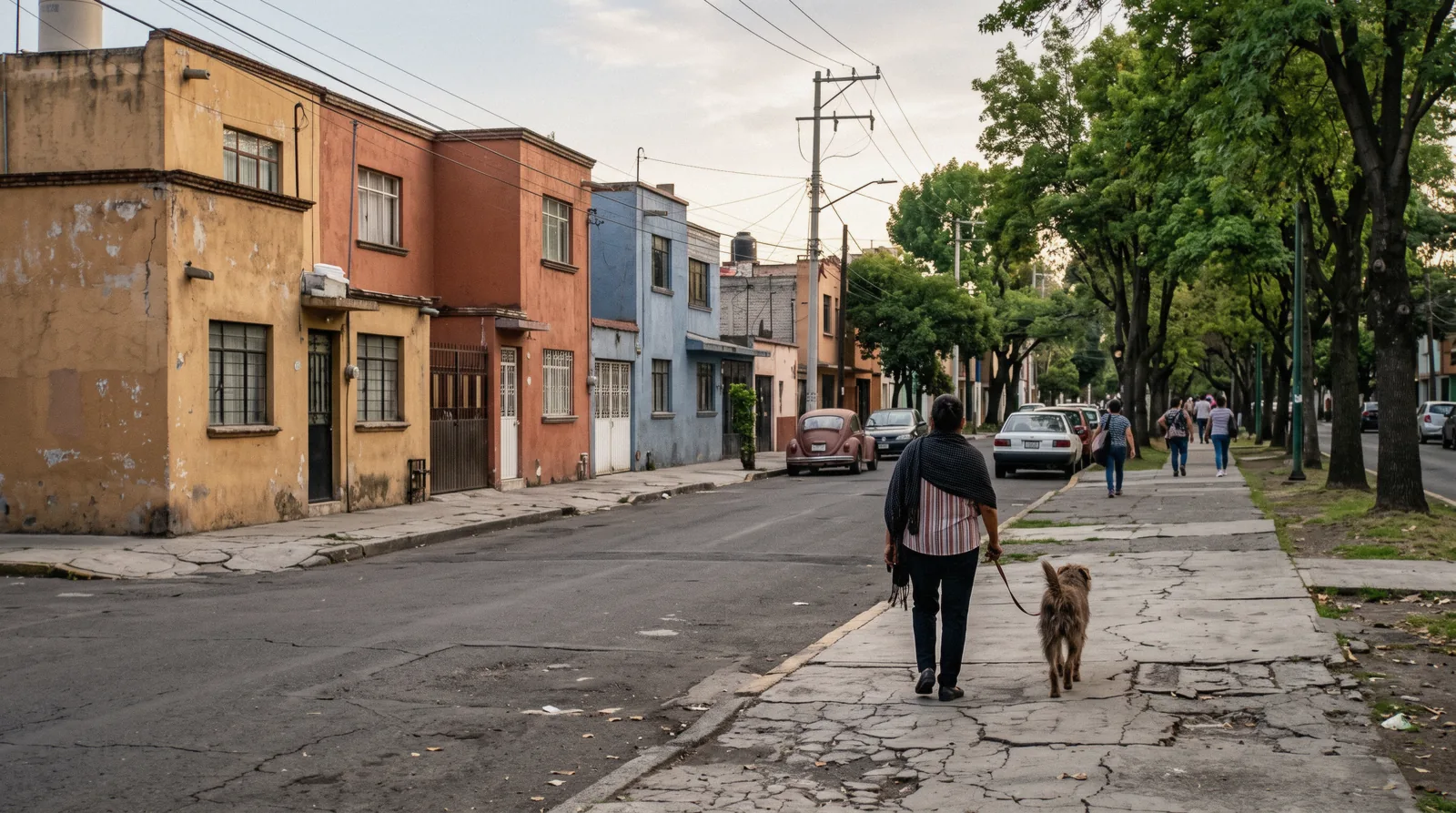
Mexico City Neighbourhoods
Mexico City neighborhoods — colonias — are the unit that actually matters here: the city is 60 kilometres across, the districts are kilometres apart, and a day that crosses it twice loses two hours. Six carry almost every visit: the Centro Histórico, Roma Norte and Condesa, Polanco, Coyoacán and San Ángel. This page says what each is for, how they connect, and which ones nobody needs to walk into.
Quick answer Which districts, what each is for, how far apart
Six districts cover a first visit. The Centro Histórico holds the sights, Roma Norte and Condesa hold the restaurants, Polanco holds the quiet and the money, Coyoacán is the southern village with the Kahlo houses, and San Ángel is its smaller neighbour. Everything else is residential city that a visitor has no particular reason to enter.
Key takeaways
- Sleep in Roma or Condesa for most first visits, in the Centro if the budget is tight, in Polanco if quiet matters most
- Spend the days one district at a time — the three-day plan is built that way because crossing the city costs two hours
- The districts are 25 to 40 minutes apart by Metro or Metrobús at MX$5–6, and getting around has the fares
- The areas residents tell you to skip are named in safety and scams — none of them is on any sensible itinerary
- Which district gets which day is on the independent Mexico City guide
The Six Districts, Compared
What each one is for, how far it is from the Zócalo, and what a midweek room cost when we read Google Hotels on 30 August 2026 for a night in October.
| District | What it is for | To the Zócalo | Room band |
|---|---|---|---|
| Centro Histórico | The sights: Zócalo, Templo Mayor, Bellas Artes | You are in it | $42–93 |
| Roma Norte | Restaurants, galleries, evenings | 25 min | $56–167 |
| Condesa | Parks, quiet streets, Art Deco | 30 min | $58–106 |
| Polanco | Quiet, luxury shopping, the park museums | 30 min | $95–197 |
| Coyoacán | The Kahlo houses, the market, a village square | 40 min | $57–126 |
| San Ángel | A second colonial village, Saturday art market | 45 min | Few hotels |
Where to stay turns this into a booking decision; this page is about what the districts are like.
What Each District Is Actually Like
Six paragraphs, one each, written for someone deciding where to spend a day.
Centro Histórico. Nine square kilometres of stacked history: the Mexica precinct, the colonial capital on top of it, and a working commercial district on top of that. Loud, crowded and flat by day; empty after nine at night. Everything in a first day's sightseeing is here.
Roma Norte. Laid out from 1902 for the Porfirian rich, wrecked by the 1985 earthquake, cheap for a decade and then colonised by galleries and restaurants. Tree-lined, walkable, and where most visitors end up eating twice.
Condesa. Roma's quieter neighbour, built in the 1920s and 1930s around two parks and an oval avenue that traces a racecourse. Art Deco blocks, dogs, joggers, and a lower median room rate.
Polanco. Embassies, modernist houses, Avenida Masaryk and the country's densest concentration of expensive restaurants, on the northern edge of Chapultepec park. Quiet after ten in a way that is either the point or the objection.
Coyoacán. A village the city grew around: two plazas, a covered market, cobbled streets, and the two houses tied to Frida Kahlo. Forty minutes south, and the natural first half of a day that ends at Xochimilco.
San Ángel. Coyoacán's smaller sibling, a further twenty minutes south-west: cobbles, colonial houses, the Saturday Bazar Sábado art market and the Rivera–Kahlo studio houses. Worth a morning if you have five days or more, and walkable from Coyoacán if you like walking.
How The Districts Connect
Three corridors do almost all the work.
Insurgentes, north–south, carries the Metrobús past Roma and Condesa and is the fastest way between them and the rest of the city. Reforma, diagonal, runs from the Centro past Chapultepec towards Polanco, and closes to cars on Sunday mornings for the cycling programme. Metro Line 3, north–south, is the Coyoacán line, and Line 2 is the Centro one.
The practical consequence is the rule this whole guide runs on: one district a day. Centro on one, Chapultepec and Polanco on another, Coyoacán and Xochimilco on a third, with Roma or Condesa as the place you sleep and eat. The three-day itinerary is that rule with hours attached, and getting around has the fares that make it cheap.
The Nicest Neighbourhood, If You Want One Answer
The search results ask this constantly, so here is a straight answer rather than a list.
Condesa, for most people, most of the time: the parks, the Art Deco, the dogs at ten at night, the restaurants without Roma's noise, and a median room rate below Roma's and Polanco's. It is the district visitors most often say they would come back to.
If 'nicest' means grandest, it is Polanco; if it means most alive, Roma Norte; if it means most characterful, Coyoacán. If it means most useful for a four-day trip, it is the Centro, which nobody calls nice and everybody needs. The choice is genuinely about what you want your evenings to look like — where to stay prices each one.
The Districts A Visitor Does Not Need
Named, because vagueness helps nobody — and because two of them get recommended by people who have not been.
Tepito, a few blocks north-east of the Zócalo, is the one every resident names: a wholesale and street-market district with a serious reputation and nothing a visitor needs. Iztapalapa and the eastern edge are ordinary working boroughs a long way from anything on this site's itineraries. Santa Fe, west, is an office and mall district built for cars — corporate rather than dangerous, and dull for a visitor.
Zona Rosa is the borderline case: the city's traditional nightlife and LGBT district off Reforma, lively and worth an evening, and shabbier and pushier than Roma or Condesa. Go if the nightlife is why you came; sleep elsewhere. What the advisories actually say, district by district, is on safety and scams.
Guided Walks By District
Where a guide walks a district rather than a monument. Prices as listed on 30 August 2026.
 from $27.01
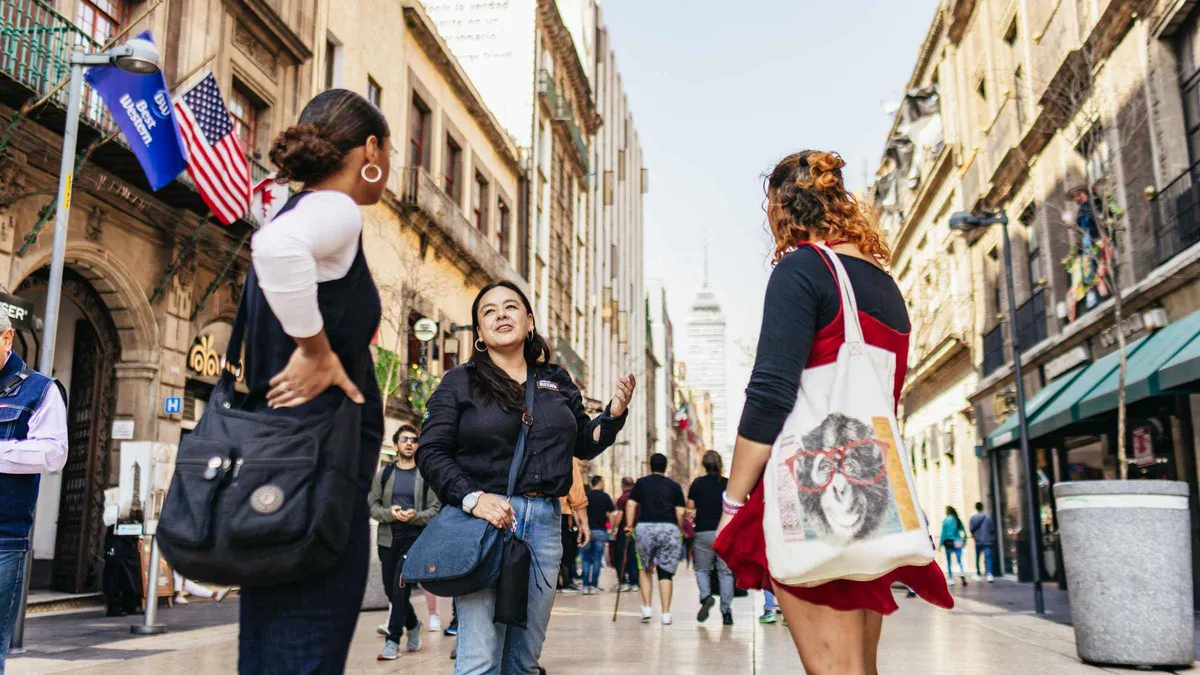
Mexico City: Historic Downtown Walking Tour
Listing details checked 2026-08-30
Three hours on foot through the Zócalo, Bellas Artes and the streets between them, with the history attached.
Check Availability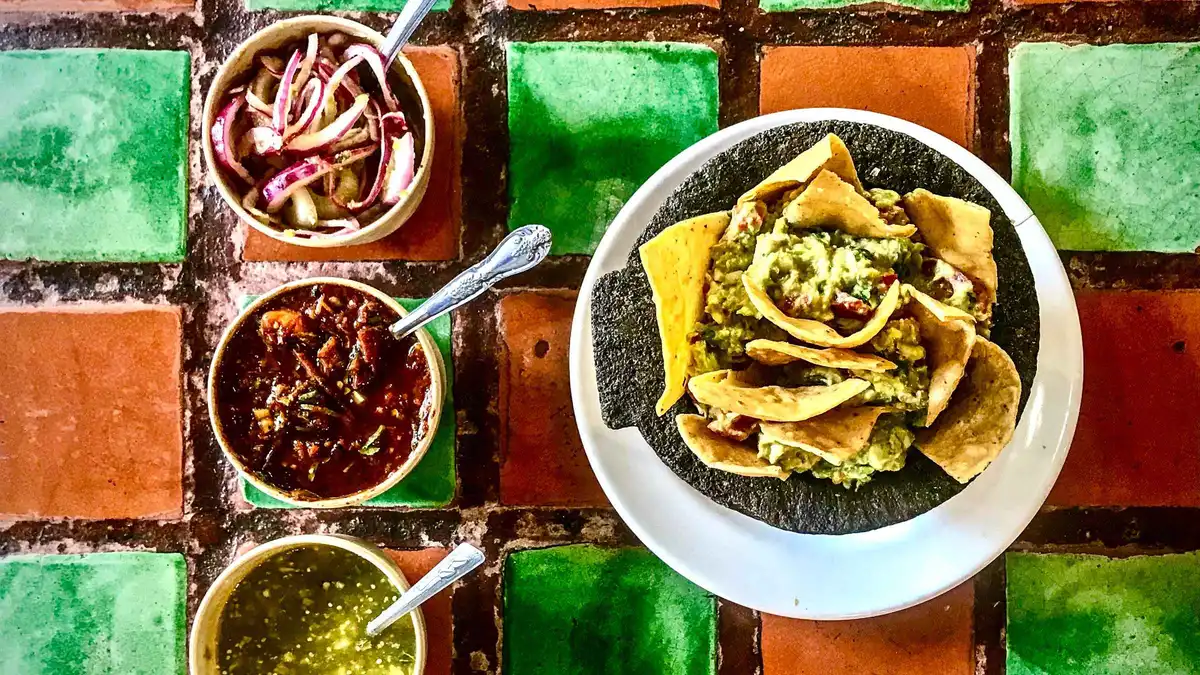 from $88.10
Mexico City: Old Town Food Tour of 7 Tastings & Secret Dish
Listing details checked 2026-08-30
Seven tastings through the Centro Histórico, ending with you able to order for yourself.
Check Availability from $65
Mexico City: Mexican Evening, Lucha Libre and Tequila
Listing details checked 2026-08-30
Ringside evening at the lucha libre with tequila and a guide who explains the rules and the theatre.
Check AvailabilityThe Districts On One Map
With the two museum clusters, so the distances make sense before you plan a day.
The District Pages
Each of these has the walking, the eating and the room rates for one district.
Centro Histórico
The sights, the sinking ground, and what the district is like after dark.
$42–93 a nightRoma Norte and Condesa
The two districts most first visits prefer, compared line by line.
$56–167 / $58–106Mexico City Neighbourhoods: Questions
What is the nicest neighbourhood in Mexico City?
Condesa, for most visitors: parks, Art Deco streets, good restaurants without Roma's noise, and a lower median room rate than Roma or Polanco. If 'nicest' means grandest it is Polanco, if most alive Roma Norte, if most characterful Coyoacán. The straight answer is above.
What is the safest neighbourhood in Mexico City for tourists?
Polanco is the one that feels most immediately reassuring — wide, quiet, well-patrolled — with Roma and Condesa close behind and much livelier. All six districts on this page are ones visitors use routinely; what the advisories say is on its own page.
Where should I avoid in Mexico City as a tourist?
Tepito, a few blocks north-east of the Zócalo, is the one residents name first. The eastern boroughs are far from any itinerary here. Santa Fe is corporate and dull rather than dangerous. Zona Rosa is worth an evening and not a place to sleep. The full list is above.
Which of the two central districts should I pick?
Roma to be out, Condesa to sleep: Roma has more restaurants and more noise, Condesa has the parks and a lower median rate. They are ten minutes' walk apart, so it is a question about your evenings rather than your days — the district page compares them line by line.
How far apart are Mexico City's neighbourhoods?
Roma and Condesa are 25 to 30 minutes from the Zócalo, Polanco about 30, Coyoacán 40 and San Ángel 45, using the Metro or Metrobús at MX$5–6 a trip. That is why the itineraries in this guide spend one district a day — getting around has the corridors and the fares.
Which neighbourhood should I stay in?
Roma Norte or Condesa for most first visits, the Centro if the budget is the binding constraint, Polanco if quiet is. Where to stay prices all five with the medians and states a recommendation.
Turning Districts Into A Trip
One district a day, and the base is the only real decision.
Sleep in Roma or Condesa, give the Centro a day, Chapultepec and Polanco a day, and Coyoacán with Xochimilco a third — with Teotihuacán on the Monday when the museums close. That is the three-day itinerary plus its fourth day, and it is the shape almost every good first visit takes.
The whole plan, with the tickets and the closing days that drive it, is on the Mexico City city guide.
The Districts On Film
Three neighbourhood walks that give the texture better than any description.
Exploring Roma Norte and Condesa
Both districts in one walk.
Video: Tingo Tango WalksPolanco walking tour
The quiet, expensive quarter at street level.
Video: Tingo Tango WalksCoyoacán walking tour
The southern village, its plazas and market.
Video: Tingo Tango WalksVideos load from YouTube only when you press play.
Page last reviewed 2026-08-30. Prices, hours and terms are set by the venue or operator and confirmed at checkout.
We may earn a commission if you book through one of our links, at no extra cost to you. Full affiliate disclosure